ZERO WAIT

This is a Young Urbanists Project

ZERO WAIT

To make our intersections safe again for NMT users

Cape Town, South Africa

Zero deaths, zero GHG emissions
Zero Wait is a much needed tool that was conceived by Young Urbanists and Active Mobility Forum members Robert Kerringham and Roland Postma to address the anti-pedestrian infrastructure that South Africans face when trying to cross roads in South African cities.

When a funding opportunity was presented by YOURS and Charge the Streets, we applied for modest funding to develop a multidisciplinary project that would include a comprehensive new tool, video campaign, and more with the objective to collect quantitative data and petition the City of Cape Town to change its infrastructure.

For the first phase, we focused on signalised crossings light durations, exploring traffic calming and universal access measures that would make it safer and easier to cross. 

By juxtaposing national guidelines on signalised pedestrian crossing timings with those of the cities of Cape Town and New York, we found a glaring gap between South Africa’s standards and international best practices. 

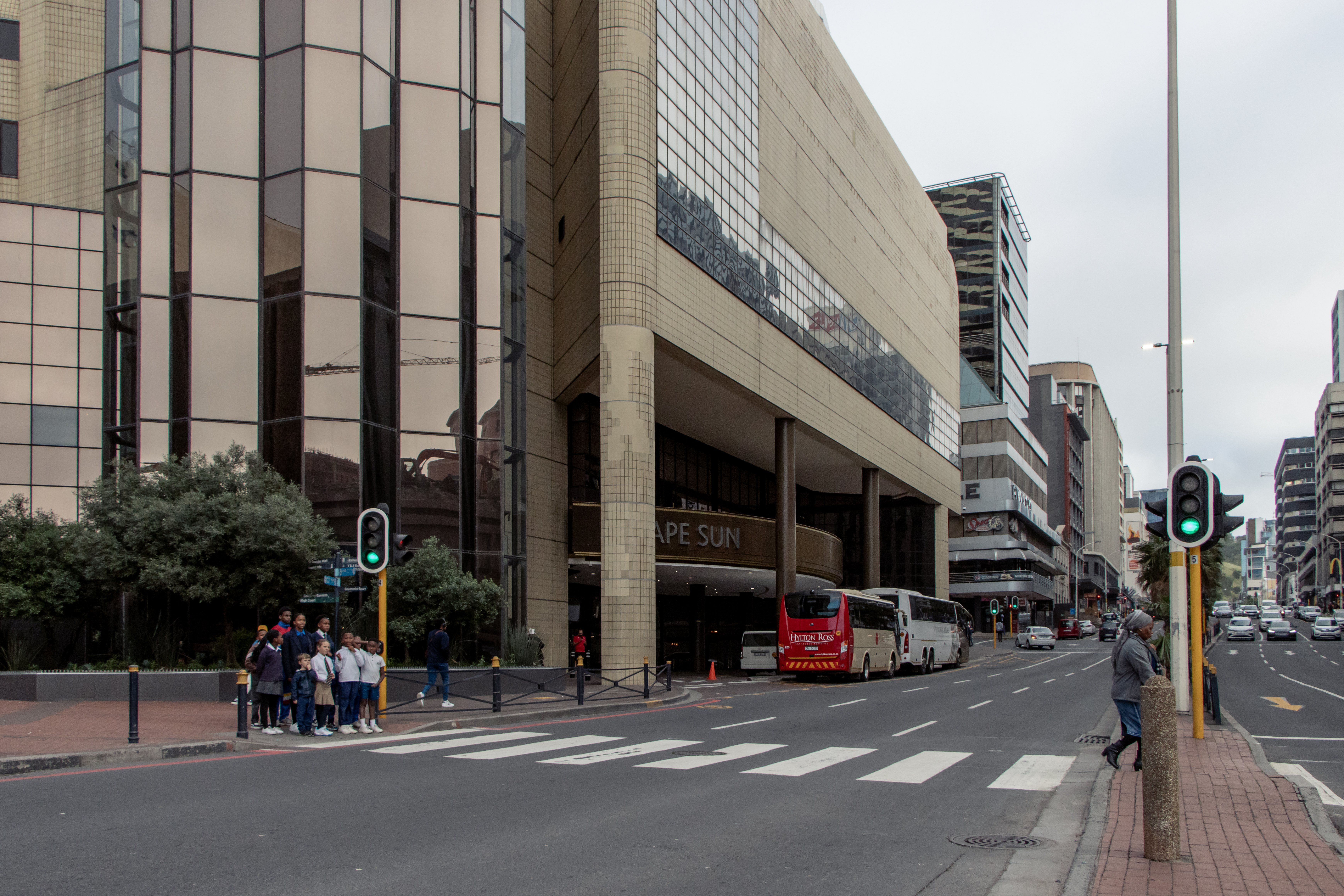
It must be noted that Urban Mobility at the City of Cape Town had better guidelines than the National Government Department of Transportation; however, the City has failed to implement these guidelines and in some instances regressed from their 2010 World Cup citywide NMT improvements. We have done a video - the first if we may add - to show why this matter as more than 60% of our school children walk to school from the last 2022 General Household Survey. Car crashes remain the second leading cause of death in South Africa for children aged 5-14 years

Furthermore, the bigger picture also revealed the inequality of signalised pedestrian crossings across the Metro of the City of Cape Town, with the majority concentrated in the city bowl. It is worth noting that we may have missed some intersections around middle-suburbia and the periphery, and we encourage anyone to add more here. The current results are displayed via simple rating systems across the city on our website here. 

The National Department of Transportation is currently reviewing national guidelines for signalized crossings. Meanwhile, we are finalizing a concept note to share with the city and planning to host an Urban Design and Mobility Forum to address this critical topic. We also intend to expand our data on intersections lacking protected signal timing and map out areas where more crossings—signalized or non-signalized—are needed.

As Pretoria continues its review of these guidelines, we will advocate for the inclusion of count-time timers, like those tested at the corner of Buitengracht and Dock Road.

You can help by identifying high-risk intersections or suggesting locations where new pedestrian crossings are necessary. We’ll also be releasing a toolkit to help you request additional crossings from the City of Cape Town. Follow us for updates.


Zero Wait is a much needed tool that was conceived by Young Urbanists and Active Mobility Forum members Robert Kerringham and Roland Postma to address the anti-pedestrian infrastructure that South Africans face when trying to cross roads in South African cities.

When a funding opportunity was presented by YOURS and Charge the Streets, we applied for modest funding to develop a multidisciplinary project that would include a comprehensive new tool, video campaign, and more with the objective to collect quantitative data and petition the City of Cape Town to change its infrastructure.

For the first phase, we focused on signalised crossings light durations, exploring traffic calming and universal access measures that would make it safer and easier to cross. 

By juxtaposing national guidelines on signalised pedestrian crossing timings with those of the cities of Cape Town and New York, we found a glaring gap between South Africa’s standards and international best practices. 

It must be noted that Urban Mobility at the City of Cape Town had better guidelines than the National Government Department of Transportation; however, the City has failed to implement these guidelines and in some instances regressed from their 2010 World Cup citywide NMT improvements. We have done a video - the first if we may add - to show why this matter as more than 60% of our school children walk to school from the last 2022 General Household Survey. Car crashes remain the second leading cause of death in South Africa for children aged 5-14 years

Furthermore, the bigger picture also revealed the inequality of signalised pedestrian crossings across the Metro of the City of Cape Town, with the majority concentrated in the city bowl. It is worth noting that we may have missed some intersections around middle-suburbia and the periphery, and we encourage anyone to add more here. The current results are displayed via simple rating systems across the city on our website here. 

The National Department of Transportation is currently reviewing national guidelines for signalized crossings. Meanwhile, we are finalizing a concept note to share with the city and planning to host an Urban Design and Mobility Forum to address this critical topic. We also intend to expand our data on intersections lacking protected signal timing and map out areas where more crossings—signalized or non-signalized—are needed.

As Pretoria continues its review of these guidelines, we will advocate for the inclusion of count-time timers, like those tested at the corner of Buitengracht and Dock Road.

You can help by identifying high-risk intersections or suggesting locations where new pedestrian crossings are necessary. We’ll also be releasing a toolkit to help you request additional crossings from the City of Cape Town. Follow us for updates.


Zero Wait is the first independent tool developed by the Active Mobility Forum, a collaboration between Young Urbanists and the Bicycle Mayor. It is designed to quantify, track, and advocate for improved infrastructure for non-motorized transport (NMT) users. Powered by Charge the Streets, the initial version focused on signalized crossings, while the second iteration expanded to include additional pedestrian crossings and ensure that intersections have priority and independent signal timing.

Visit the website 
Join the WhatsApp Group

COLLABORATIONS Driven by Young Urbanists Powered by YOURS and Charge The Street Website and brand design by Si Maclenman Website development by Max Miskow Photography by Julian Oldenburg Website and data coding by Robert Kettingham Videography by Damien Schumann

SPECIAL CREDIT TO Robert Kettingham, Phano Liphoto, Sindile Mavundla and all the school children for the 2 video shoots

NEXT STEPS Results from phase 01 will be shared soon. Phase 02 will start soon. You can start adding to our two maps, which track needed pedestrian crossings and dangerous intersections.

We Advocate for Infrastructure, not paint. Fueled by Young Urbanists and the Bicycle Mayor of Cape Town

Stay in touch

Get emails about new projects by the Active Mobility Forum

© Active Mobility Forum Cape Town, Johannesburg, Durban & Pretoria | +27 76 451 8656

Stay in touch

Get emails about new projects by the Active Mobility Forum

© Active Mobility Forum Cape Town, Johannesburg, Durban & Pretoria | +27 76 451 8656